Co-Investigator
Imtiaz Mahamud
Our Approach
Upper acute respiratory tract infections (URTIs) remain one of the most common causes of illness globally. However, the COVID-19 pandemic has significantly altered respiratory pathogen circulation and microbial ecology. To better understand these changes, this study investigates the diversity of the respiratory microbiome among patients presenting with URTI symptoms.
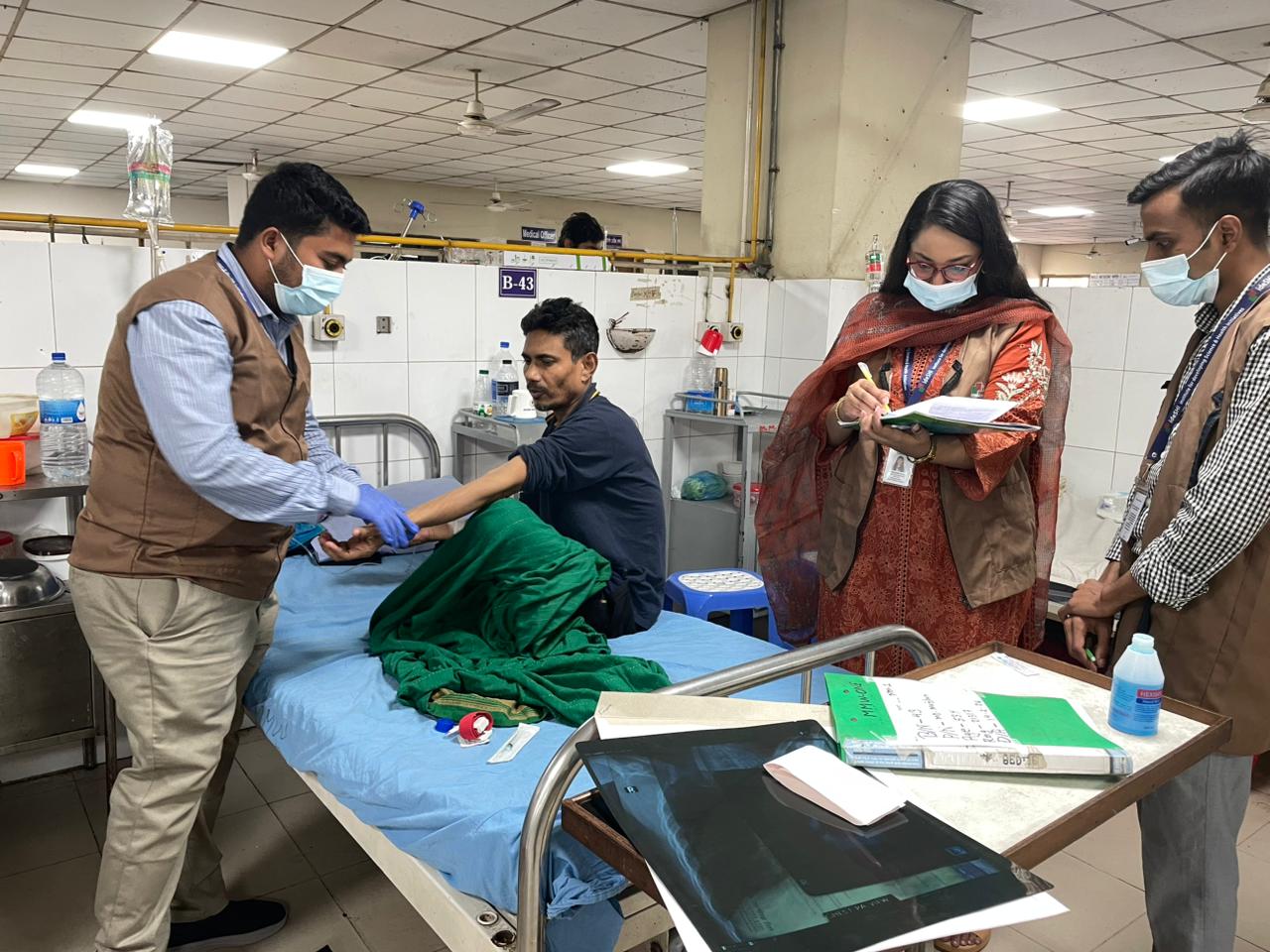
Clinical respiratory specimens are collected from patients with acute respiratory infections and analyzed using molecular diagnostic methods. In addition to routine RT-PCR testing for viral pathogens, metagenomic sequencing is utilized to explore the broader microbial community present in the respiratory tract. This approach enables comprehensive detection of viruses, bacteria, and other microorganisms that may contribute to infection dynamics and disease severity.
Partners
Mérieux Foundation and the Christophe Mérieux Laboratory (CML), National Institute of Pathogen Biology, Chinese Academy of Medical Sciences, Beijing, China
Research Goals
The primary objective of this study is to characterize the respiratory microbiome associated with upper respiratory infections and identify potential changes in microbial diversity following the COVID-19 pandemic. Specifically, the study aims to explore pathogen distribution, detect co-infections, and understand how microbial communities may influence disease progression.
Context
Respiratory infections often involve complex interactions between multiple microorganisms rather than a single pathogen. Traditional diagnostic methods focus on detecting specific viruses or bacteria, which may overlook the broader microbial ecosystem of the respiratory tract.
Metagenomic approaches provide a powerful tool for exploring microbial diversity and identifying emerging or previously undetected pathogens. Understanding the respiratory microbiome landscape in the post-pandemic period is essential for improving disease surveillance, guiding diagnostic strategies, and strengthening preparedness for future respiratory outbreaks.
Impact
This research will contribute to a deeper understanding of respiratory microbial ecology and infection dynamics in the post-COVID-19 era. By integrating metagenomic analysis into respiratory pathogen surveillance, the study supports improved detection of co-infections and emerging pathogens.
The findings are expected to enhance laboratory research capacity, strengthen international collaboration, and provide valuable evidence to inform future respiratory disease surveillance and public health response strategies.