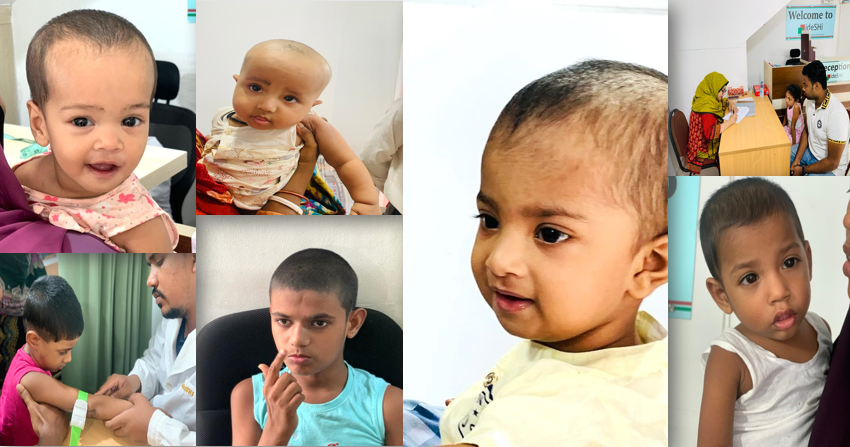
Inborn Errors of Metabolism (IEM), also known as congenital metabolic disorders or inherited metabolic disorders, are a group of rare genetic disorders that affect the body’s ability to carry out essential chemical reactions required for normal growth, development, and overall functioning. These disorders are typically caused by mutations in genes that encode enzymes or other proteins involved in various metabolic pathways.
Program Lead
Dr. Umme Kulsum, Md. Arif Mahmud Howlader
Our approach
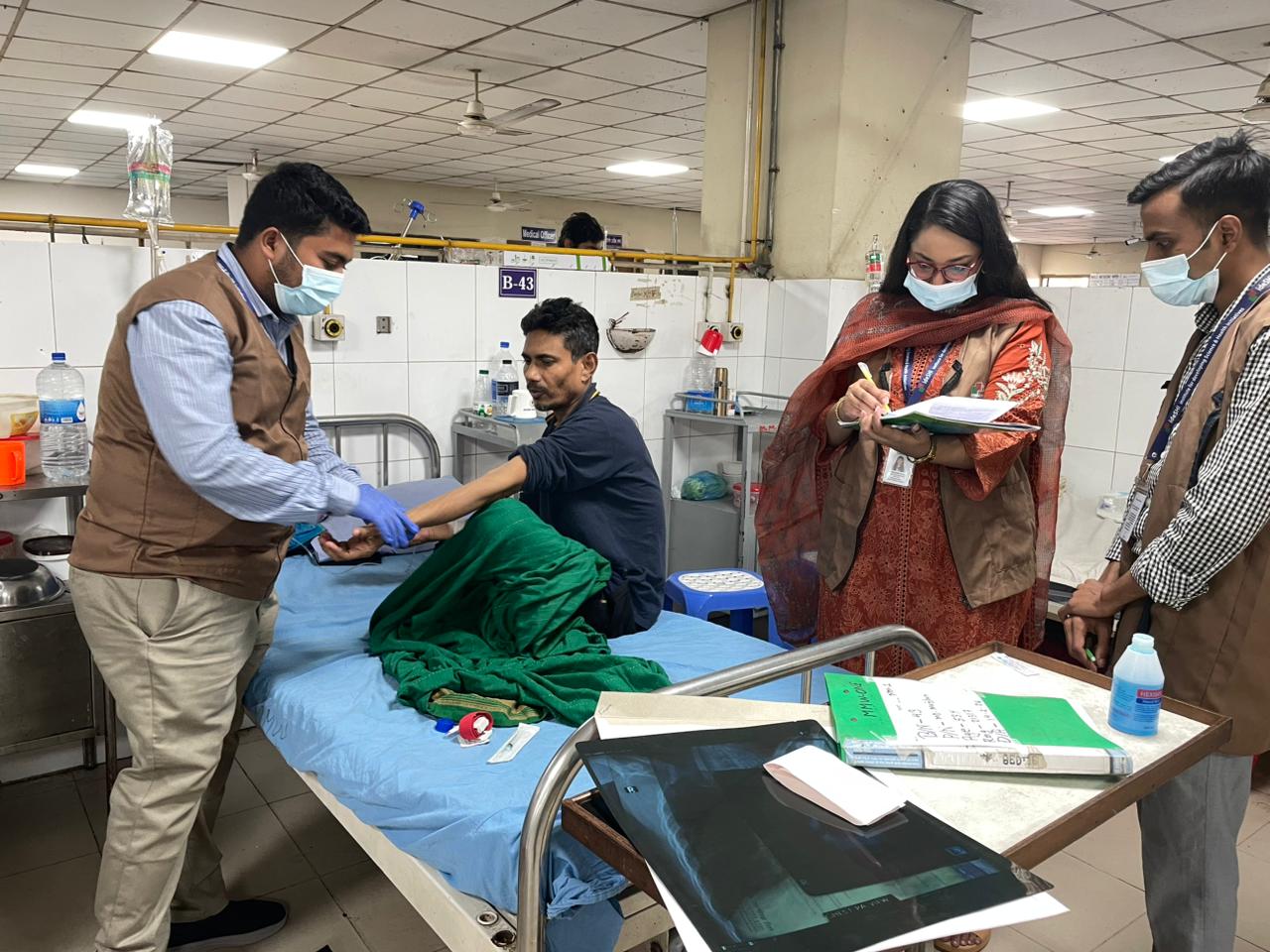
ideSHi is involved in a nationwide study for the determination of the prevalence
rate of Inborn Errors of Metabolism (IEMs) among high-risk neonates and
suspected patients in Bangladesh, in collaboration with the National Institute of
Neurosciences and Hospital, Dhaka, Funded by the Government of Bangladesh.
Partners
In collaboration with the National Institute of Neurosciences and Hospital, Dhaka,
Funded by the Government of Bangladesh. The study also includes (1) Dhaka
Medical College, (2) Institute for Pediatric Neuro-disorder and Autism (IPNA), (3)
Ad-Din Women’s Medical College Hospital (4) Bangladesh Institute of Research and
Rehabilitation in Diabetes, Endocrine and Metabolic Disorders (BIRDEM), (5)
Bangabandhu Sheikh Mujib Medical University (BSMMU), (6) Institute of Child
Health & Hospital; Dr. M R Khan Shishu Hospital, Mirpur (ICH & SSF) as
sites for participant enrollment.
Research Goals
The research goal of a nationwide facility-based study for the determination of the
prevalence of Inborn Errors of Metabolism (IEM) among high-risk neonates and
children in Bangladesh would typically encompass several key objectives and aims.
- The primary goal of the study would be to determine the prevalence of
inborn errors of metabolism among high-risk neonates and children in
Bangladesh. This would involve assessing how common these disorders are
within this specific population.
- Investigate and identify the risk factors associated with the development of
IEM in neonates and children in Bangladesh. This could include genetic,
environmental, and socio-economic factors that may increase the risk of
these disorders.
- Evaluate the current capacity for early detection and diagnosis of IEM in
healthcare facilities across Bangladesh. Assess the availability of diagnostic
tools and expertise in identifying these disorders.
- Investigate the impact of IEM on the health of affected neonates and
children and on the healthcare system in Bangladesh. This may include
assessing the burden of these disorders in terms of healthcare utilization,
treatment costs, and outcomes.
- Examine the current treatment and management practices for children with
IEM in Bangladesh. Evaluate the availability and accessibility of treatment
options, such as dietary management and enzyme replacement therapy.
- Assess the level of awareness and knowledge about IEM among healthcare
providers, parents, and the general public in Bangladesh. Identify gaps in
education and awareness programs.
Impact
The results of this study will assist in estimating the prevalence of Inborn Errors of
Metabolism (IEMs) among high-risk neonates and suspected children in the
Bangladeshi population and compare these estimates with those of other
published population-based studies. In addition, this will provide a guideline for
the initiation of the newborn screening and neurometabolic screening program
which will be beneficial to reduce child mortality and morbidity in Bangladesh.