Research

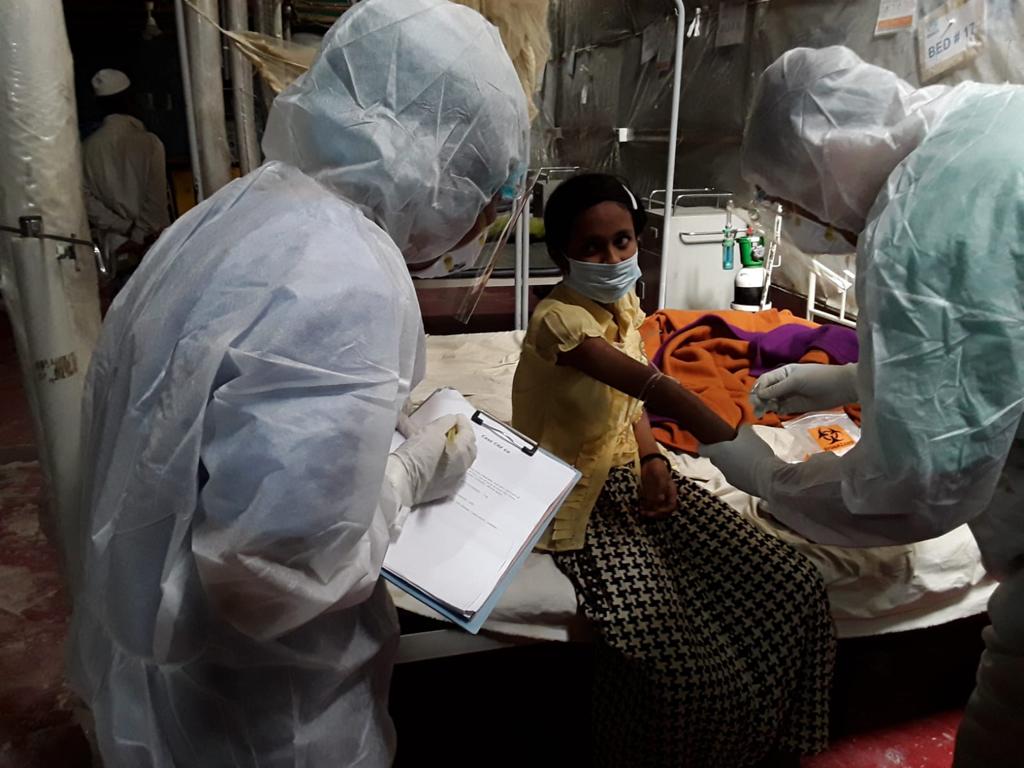
SARS-CoV-2 circulation detection and serological response among the Forcibly Displaced Myanmar Nationals (FDMNs) in Cox’s Bazar, Bangladesh

Program Lead Abu Bakar Siddik Our Approach As part of our ongoing efforts to contain the COVID-19 pandemic since it first started in 2020, we have extended our research to include the forcibly displaced Myanmar nationals (FDMN)also as known as Rohingya population in Cox’s Bazar, Bangladesh. Recognizing the unique challenges that this vulnerable community faces, […]

SARS-CoV-2 circulation detection and serological response among the Forcibly Displaced Myanmar Nationals (FDMNs) in Cox’s Bazar, Bangladesh Read More »

Creating Awareness on HPV infection, Vaccination and Cervical Cancer: A road map towards elimination of cervical cancer from Bangladesh

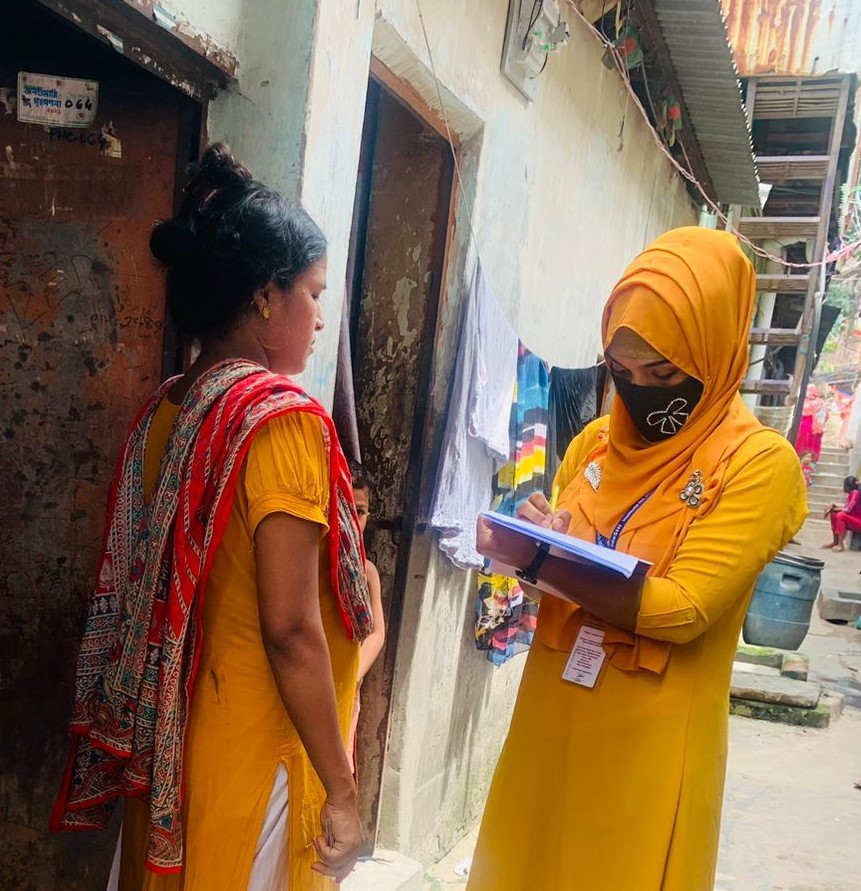
Program Lead Dr. Kasrina Azad Our Approach  This study will be a cross-sectional mixed-method survey through nationwide school-based community awareness programs with a duration of two years (Sep, 2023- Aug, 2025). The target population for the awareness program at the district level will be school girls (aged 10 to 14 years of age), parents, teachers, local

Creating Awareness on HPV infection, Vaccination and Cervical Cancer: A road map towards elimination of cervical cancer from Bangladesh Read More »

Molecular analysis of β-globin and iron metabolizing regulatory genes in thalassemia carriers, HbE/β and β-thalassemia major patients in Bangladesh

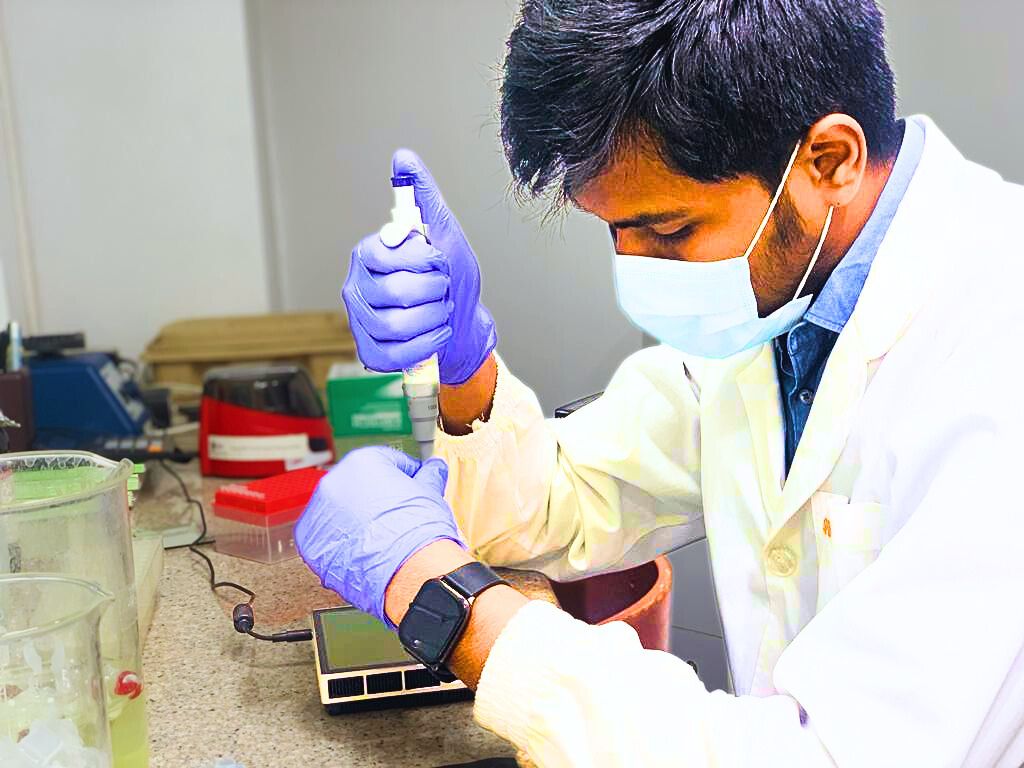
Program Lead Rumana Mahtarin Our Approach The research project is investigating the detrimental health effect of thalassemia by molecular analysis of β-globin and iron metabolizing regulatory genes in thalassemia carriers and HbE/β and β-thalassemia major patients in Bangladesh. Association of comorbidities and disruption of iron homeostasis have been explored to disseminate the research findings for

Molecular analysis of β-globin and iron metabolizing regulatory genes in thalassemia carriers, HbE/β and β-thalassemia major patients in Bangladesh Read More »

Antimicrobial Resistance (AMR): The Global Threat

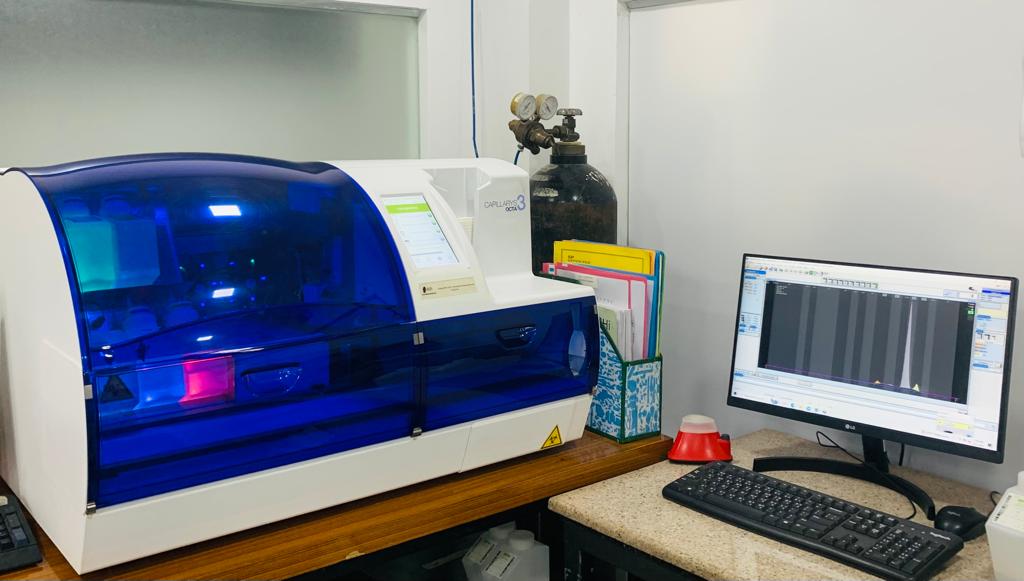
Program Lead  Dr. Zannat Kawser, Sanchita Kar Our Approach Facilitated with conventional microbiology and automated identification and Antimicrobial Sensitivity Testing (AST), ideSHi has been conducting several projects on AMR profiling of WHO priority pathogens. By including advanced high throughput technologies, we are studying AMR at both phenotypic and genotypic perspectives. In our studies, we focus

Antimicrobial Resistance (AMR): The Global Threat Read More »

Respiratory Virus Genomic Surveillance in Bangladesh

Program Lead Dr. Mohammad Tanbir Habib Our Approach To respond to the threat of COVID-19 pandemic, a consortium was initiated in Bangladesh for nationwide SARS-CoV-2 variant surveillance. So far, the consortium has sequenced almost two thousand SARS-CoV-2 genomes, deposited the data in public database (www.gisaid.org) and informed the policymakers about emerging threats. Here, we want

Respiratory Virus Genomic Surveillance in Bangladesh Read More »

A nationwide facility-based study for determination of prevalence of ‘Inborn Errors of Metabolism’ among high-risk neonates and children in Bangladesh.

Inborn Errors of Metabolism (IEM), also known as congenital metabolic disorders or inherited metabolic disorders, are a group of rare genetic disorders that affect the body’s ability to carry out essential chemical reactions required for normal growth, development, and overall functioning. These disorders are typically caused by mutations in genes that encode enzymes or other

A nationwide facility-based study for determination of prevalence of ‘Inborn Errors of Metabolism’ among high-risk neonates and children in Bangladesh. Read More »

Scroll to Top